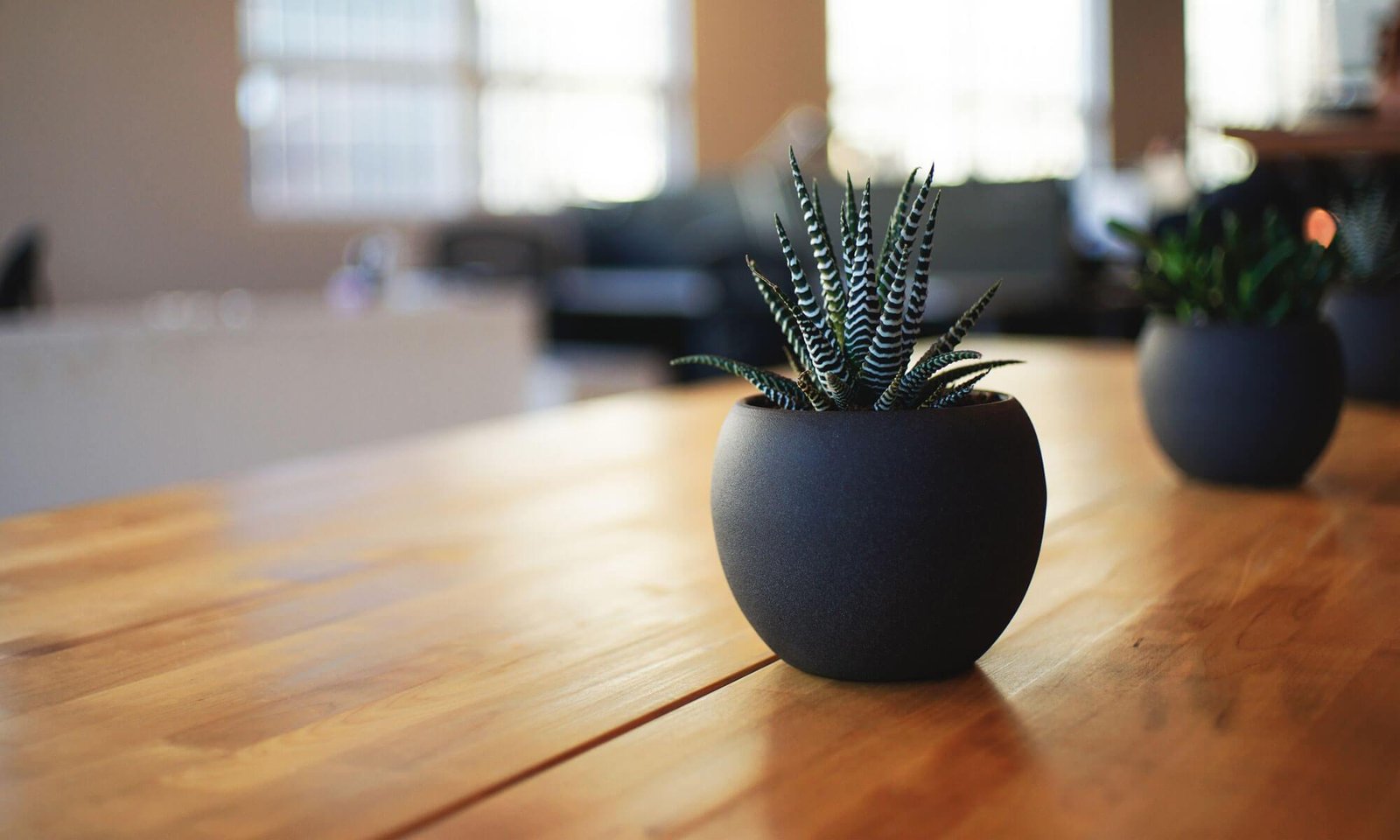

Making Your Iconic Piece a Conversation Starter

Making Your Iconic Piece a Conversation Starter

Your home is an extension of your unique personality and style, allowing you to express yourself and cultivate a sense of belonging. Designing an interior that embodies your individuality is an exhilarating endeavor.

To create an extraordinary living space, choose and incorporate iconic pieces. Envision a captivating wooden dining table as the centerpiece of your dining area. Its exquisite design, adorned with intricate details and impeccable craftsmanship, sparks conversation and emanates warmth. Every meal shared around this table becomes a cherished experience, forging lasting memories.

Transform your living room into an art gallery with a thoughtfully curated collection of artwork that reflects your distinctive taste and passion for creativity. From vibrant abstract paintings to thought-provoking sculptures, each piece serves as a testament to your love for the arts, transporting you to a realm of imagination and inspiration.

Infuse character and attention to detail to transform your home into an authentic reflection of your true self, creating a sanctuary that nurtures your soul. The small yet significant details make your living space exceptional, evoking wonder and delight. Take the time to explore and discover that iconic piece that brings you joy and inspiration each time you step through the door. Your home is your canvas, and with each carefully selected detail, you paint a picture that is uniquely yours, crafting a haven that celebrates the beauty of life.

Consider the Space

Before impulsively buying that eye-catching artwork or vintage chair, consider the purpose and functionality of the room. Envision a serene living room where you can unwind, surrounded by soothing colors and soft textures, basking in the gentle glow of a carefully chosen table lamp.

Alternatively, infuse your home office with vibrant energy, creating an inspiring workspace that nurtures creativity. Imagine a desk adorned with artwork and motivational quotes, complemented by bold hues that stimulate your senses and ignite a sense of purpose.

By selecting the perfect iconic piece, you can achieve the desired mood and create a captivating focal point. Each curated item reflects your unique taste and personality, contributing to the overall aesthetic of your space. Let your choice reflect your individuality and passions, and witness the transformation of your room into a true reflection of you.

Choose a Signature Design

When selecting an iconic piece to decorate your space, choose something that holds personal significance and reflects your unique style. Consider a captivating work of art that evokes emotions of awe and inspiration. Imagine a meticulously crafted furniture piece that tells a compelling story, with every detail designed with meaning. Alternatively, envision a decorative item that brings joy, sparks curiosity, and invites conversations. Ensure that this iconic piece harmonizes with your decor, creating a welcoming and sophisticated space. The goal is to elevate your environment, showcasing your individuality and enriching your daily life.

Mix and Match

When selecting an iconic piece for interior design, it’s crucial to strike a perfect balance between blending in with the overall aesthetic and embracing contrasting styles. Mix and match different elements, like combining modern art with traditional furnishings, to create a harmonious fusion of old and new. This adds visual interest and infuses character into your space.

Curate your interior to create a distinctive and memorable environment that captivates attention and sparks conversations. Explore textures, colors, and patterns that reflect your style and personality. Each carefully chosen detail contributes to the overall narrative of your space.

Embark on this exciting design journey where every decision adds depth and layers to your interior. Embrace the interplay of styles, experiment with unexpected combinations, and witness your space transform into a true reflection of your taste and vision.

Go for Quality

When investing in an iconic piece for your home, prioritize quality. Choose meticulously crafted items that withstand the test of time and exude timeless elegance. Look for durable materials like solid hardwood or hand-forged metals to ensure your chosen piece maintains value and aesthetic appeal. Pay attention to craftsmanship and intricate details, seeking out skilled artisans. Selecting enduring items makes a lasting statement, adding value and charm to your living space. Imagine the satisfaction of knowing your investment enhances daily life and becomes a cherished heirloom passed down through generations. Take time to research and explore options that align with your taste and lifestyle. With careful consideration and an eye for quality, curate a home filled with pieces that offer unrivaled beauty and longevity.

Placement Is Key

When you find the perfect iconic piece, consider its placement carefully to maximize impact. Take into account the overall aesthetic of the space and how the piece can complement or contrast with existing elements. The chosen location should showcase its unique features and create a captivating focal point that effortlessly draws the eye.

For example, with a statement chandelier, hang it centrally to cast radiant light evenly throughout the room, captivating viewers from every angle. This strategic placement creates a visually stunning effect and elevates the ambiance, adding elegance and sophistication.

By paying attention to these details, you can curate a captivating and harmonious environment that truly showcases the magnificence of your iconic piece, leaving a lasting impression on all who experience it.

Sacred Icons in Home Design

religious-icon-on-the-wall

Incorporating religious icons into your home design can transform your space, bringing peace, tranquility, and spirituality. These sacred items, like statues, paintings, or artifacts, hold great significance and remind you of your faith and values.

To honor these sacred items, display them with respect. Create a dedicated space, like a serene shrine or adorned alcove, to showcase them. Thoughtful lighting can enhance their presence without overshadowing other decor.

Remember, these icons are not just design elements; they are sacred symbols of your faith. Their placement in your home should reflect their impact, creating a meaningful connection between your spiritual beliefs and your living space.

Conclusion

Enhance your home design with an iconic element that reflects your unique style, elevating your space. Imagine stepping into a captivating room that tells your story.

Consider the room’s purpose. Will it be a cozy retreat or a vibrant space for gatherings? Understanding its function will help you select the perfect iconic piece.

Unleash your creativity with a signature design that captures your personality, whether you prefer bold statements or subtle elegance.

Mix and match styles for a distinctive look. Experiment with textures, colors, and patterns for a harmonious balance that showcases your taste.

Invest in quality for long-lasting enjoyment. Look for craftsmanship and durable materials that withstand the test of time, creating an heirloom to be treasured for generations.

Strategically place your chosen piece to transform the space into a captivating oasis, considering the room layout and existing furniture.

Discover that one-of-a-kind item that makes your home truly unforgettable. Let your imagination run wild and create a sanctuary that inspires and comforts you every day.
How to Incorporate Traditional Style Elements Into Your Home Design

How to Incorporate Traditional Style Elements Into Your Home Design

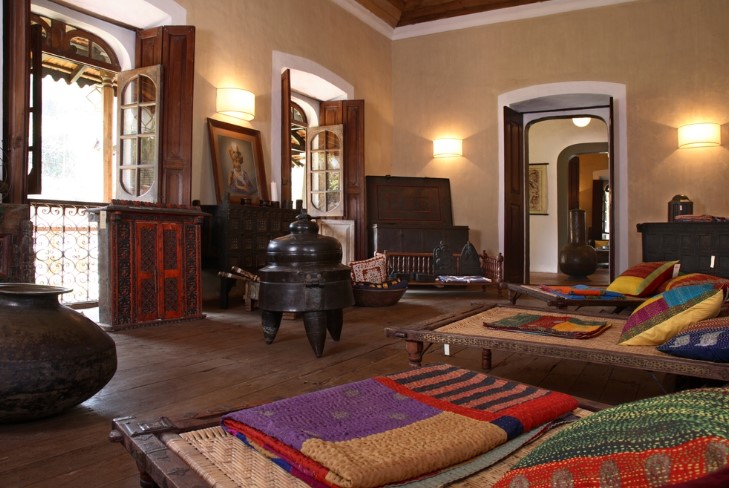
Traditional home decor draws inspiration from Europe’s 18th and 19th-century design styles. It is a warm and comforting style that adds class to your home.

The key elements of traditional style homes in Dallas, TX include an orderly aesthetic, wood, velvet, and upholstered substantially-sized furniture. Keep reading to learn how to incorporate these classic elements into your home design.

Colors

Rich, neutral tones regarding colors characterize the traditional design. You’ll also see jewel tones like red and blue appear in this style—they work well with the natural wood tones that are often featured in traditional spaces.

The use of patterns is another defining feature of traditional design, including plaids, gingham, damask, and toile. These patterns are often combined to create an elegantly layered look in a space.

When done correctly, the right mix of traditional elements can add intrigue to your home. But it’s important to be mindful of what doesn’t work and avoid an overly-traditional look that can feel dated or stuffy. Try striking a balance by mixing modern elements with traditional pieces to create an interesting mix.

Patterns

Traditional design is characterized by an orderly aesthetic, where furniture is often sold in sets, and there’s plenty of symmetry. This consistency is what makes traditional rooms feel calm and soothing. Colors should be neutral and warm, while patterns define the mood and add visual interest (think compatible wallpaper, drapery fabrics, area rugs, and upholstered furniture).

Taking its cues from 18th- and 19th-century Europe, the traditional style includes classic art, antique furniture, and age-old pieces. It can also incorporate more modern elements for a balanced look that’s both young and trendy. This design style is great for those wanting to update their homes without major changes. Millwork and decorative details, like crown moldings, baseboard trim, picture frame molding, built-ins, wooden stair railings, ceiling medallions, and wood paneling (like shiplap or board and batten), are essential to the traditional look.

Textures

Traditionally styled homes can feel elegant, luxurious, and timeless. 18th and 19th-century European home designs heavily influenced the design style.

Sabatella says, “The key elements of traditional style are curving lines, symmetry, and elegance.” The color palette can include deep hues such as navy blue, emerald green, rich red, or warm tones like natural tan or soft orange.

It is important to remember that traditional design is only sometimes expensive. Finding traditional pieces at flea markets, thrift stores, or online marketplaces is easy. Or, if you already have some traditional furniture, consider having them reupholstered with a more contemporary fabric. The push-pull of modern and traditional pieces keeps the design from feeling dated. Also, remember to add detail with molding and carvings.

Furniture

A traditional design style focuses on the finer details. Look for grand touches like candleholders, china, vases, decorative throw pillows, and area rugs in classic designs. These pieces often feature florals and motifs or natural textures.

Traditional fabrics are a must-have, ranging from fresh gingham to Laura Ashley conjuring florals and chintz. These fabrics are designed to be elegant but can also feel soft and romantic.

Traditional design elements can add a touch of elegance to any home, but it’s important to balance them with modern design and architecture. Otherwise, it can look overly formal and old-fashioned. Rummage through flea markets, thrift stores, and even Facebook marketplace to find one-of-a-kind traditional finds at a price you can afford. And remember to add classic art to the mix.

Accessories

Traditional style requires a curated, classic look that can be accomplished with various accessories and decor. This includes book collections, vases and floral arrangements, sophisticated rugs and drapes, and even metal kitchen rails for a vintage feel.

The important thing to remember when decorating with traditional elements is that symmetry is key. To create a balanced space around a focal point, such as a fireplace or television, all items should come in pairs, such as tables, chairs, lamps, and sconces.

While going overboard with traditional elements may be tempting, the key is balance. Be sure to incorporate modern silhouettes and clean lines in your home design to keep it fresh and contemporary. This approach strikes a healthy old-meets-new balance and makes your home timeless and elegant.

Unlocking the Secrets of Accurate Kitchen Remodel Estimates

Unlocking the Secrets of Accurate Kitchen Remodel Estimates

Unlocking the Secrets of Accurate Kitchen Remodel Estimates

Boosting home value with a stunning kitchen remodel is a great way to maximize your investment. But it can also be expensive.

Using the right tools and knowing the basics of estimating can help keep costs low. Here are five keys to making sure your kitchen remodel estimates are accurate.

Know Your Material

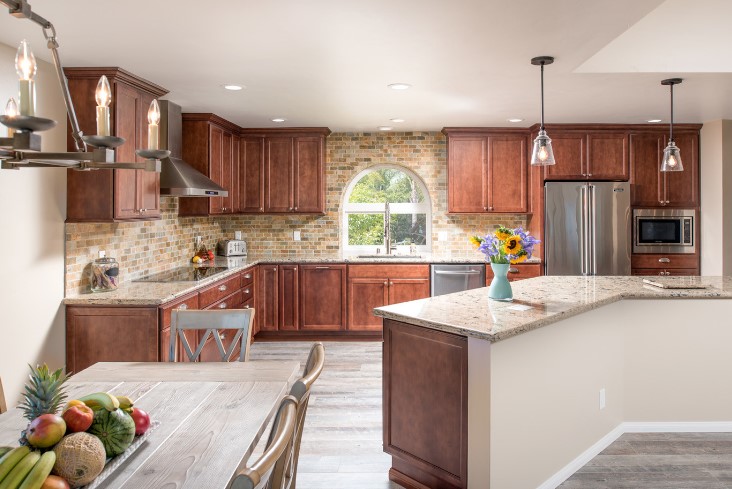
Whether you’re going for a safe, classic look with white subway tile and marble countertops or an unexpected modern twist with handcrafted porcelain and quartz countertops, your choice of materials plays a huge role in the final kitchen remodel design.

It also affects cost. Choosing less expensive materials, like ceramic, can help keep your NYC kitchen remodeling costs low while creating a beautiful space.

Other factors impacting kitchen remodels near me include structural changes, such as relocating ductwork or moving a wall. These modifications require extensive labor hours and may add to your overall project cost. Ensuring all construction drawings and specifications are complete is essential to accurate estimating. This prevents errors and delays that could be costly to your budget.

Know Your Options

To get accurate kitchen remodel estimates, you need to understand your options. Start by listing your remodel’s wants and needs, considering that practical features like improved functionality and energy efficiency should come before luxuries. When shopping for contractors, ask for references and check their online reviews and Better Business Bureau rating. Look for a professional kitchen estimator specializing in kitchen design and a member of national industry organizations.

You can also consider whether you want to keep the layout of your existing kitchen or change it. A minor remodeling project might include leaving cabinet boxes in place and refacing the fronts to update their appearance. This is a good choice for homeowners who want to improve their kitchen without breaking the bank.

Know Your Budget

The kitchen is the most popular room in the home to update, but it can also be one of the most expensive. The good news is that there are ways to cut costs without sacrificing quality.

Before you start living out your Pinterest dreams, set a budget and be prepared to discuss it with your contractor. This will help them ensure that your vision for the kitchen is met but that it stays within or as close to your budget as possible.

It is also important to consider the impact of your remodel on your resale value. Buyers are willing to pay more for updated homes, so choosing high-end materials that will last and recoup most of their original cost at resale is important.

Know Your Contractor

Unless you are experienced in DIY home remodels, your kitchen project will likely involve hiring and working with a general contractor. That means strangers will be traipsing through your house and making noise and mess for weeks or months, depending on how extensive the work is.

A good contractor will have a list of references, reviews and testimonials you can use to gauge his experience and skills. Ask for these before you hire him. He should also know how to obtain the necessary work permits and be willing to take care of this on your behalf.

Know Your Schedule

The planning stage is the time to establish the scope. This entails determining whether you are completing a simple cosmetic refresh or a full-on kitchen gut remodel. The latter may involve tearing down walls or reconfiguring your floor plan.

The scope of the project determines how long the renovation will take. If the work involves wall removals, structural changes, and reconfiguration of your kitchen layout, the project will likely take longer than a simple refresh or refacing of cabinets. The renovation can last weeks or even months, and your kitchen will be out of commission for that period. Your contractor will lay out a schedule of when you can expect your kitchen to be functional and can advise on how you can manage food during the construction process. This is an important piece of information to consider when calculating your budget.

6 reasons why organising your wardrobe will make you more confident, happier and give you a more positive outlook

6 reasons why organising your wardrobe will make you more confident, happier and give you a more positive outlook

The environment we live in greatly affects our mood and outlook on life and when we are unhappy with our homes, our mental wellbeing and relationships can begin to suffer. Home organisation is one of the quickest and easiest ways to make big improvements to your living environment, ultimately improving your mental health and overall happiness. One of the best places to start is your wardrobe.

Organising your wardrobe has many benefits, some of which can significantly impact your overall well-being and quality of life. By having a clean, clutter-free and organised wardrobe you start everyday with a sense of calm and clarity that carries on through the rest of the day, helping you tackle life’s little challenges.

Here are 6 reasons why organising your wardrobe can lead to an increase in confidence, happiness and a more positive outlook.

Confidence Boost

A disorganised wardrobe can leave you feeling overwhelmed, anxious and stressed. On the flipside, having a tidy wardrobe can help you feel more in control and confident. When you know exactly what you have and where to find it, you’ll spend less time searching for items and more time feeling good about your appearance. You’ll be able to quickly choose an outfit that you feel comfortable and confident in which can translate to a better mood and more productive day.

Reduced Stress

A cluttered and disorganised wardrobe can lead to an excessive amount of stress. The clutter can cause you to feel overwhelmed and stressed, leading to negative thoughts and feelings. Prevent these feelings from building up by organising your wardrobe. The process of decluttering and reorganising can be really freeing and help feel more relaxed and at ease after it’s done. With an organised wardrobe, you’ll have everything in its place making it easier to find what you need when you need it. Ultimately, you’re reducing the stress that comes with searching through a mess.

Happiness

The process of organising your wardrobe can bring a sense of happiness and accomplishment. The feeling of decluttering and streamlining your belongings can help you feel more in control and at peace. By reducing clutter, you’ll have more room for things that bring you joy and make you happy. Additionally, when you have an organised wardrobe getting dressed in the morning becomes a less stressful and more enjoyable experience, setting a positive tone for your day.

Increased Productivity

Organising your wardrobe can also help you increase your productivity. When you know where everything is and can quickly find what you need, you’ll spend less time searching and more time doing the things you love. Additionally, a tidy wardrobe can make getting ready in the morning much faster and easier, making you feel motivated and empowered for the day ahead.

Saving Money

Organising your wardrobe can also help you save money. When you know what you have, you’re less likely to buy duplicates of items you already own. You’ll also be able to see what items you’re missing and what you need to buy, reducing the chance of impulsive purchases. Also when your wardrobe is organised, you’re able to make the most of the clothes you own and wear them more frequently which can reduce the need for frequent shopping sprees.

Positive Outlook

Finally, organising your wardrobe can give you a more positive outlook on life. When you have a clean and organised space you’ll feel less overwhelmed and more in control. This can lead to a more positive outlook as you’ll be able to focus on what’s important and feel good about your accomplishments. A positive outlook can in turn impact all areas of your life. It can improve the relationship you have with your home, yourself and others, leading to greater overall happiness and well-being.

In conclusion, organising your wardrobe has many benefits that can significantly impact your overall well-being and quality of life. By having a clean, clutter-free and organised wardrobe, you can experience an increase in confidence, happiness and a more positive outlook. The process of decluttering and streamlining your belongings can bring a sense of happiness and accomplishment, reduce stress, increase productivity, save money and lead to a more positive outlook on life. So take the time to organise your wardrobe, improving both your home and life.

How can I make my bathroom cozy? 7 ideas for a warm look |

How can I make my bathroom cozy? 7 ideas for a warm look |

When thinking of cozy rooms in the home, you are not usually drawn to bathrooms – but you should be.

Bathrooms are often viewed as cold, clinical environments that are more practical than they are beautiful, but over the last few years, bathroom ideas have shown a wonderful shift in favor of more decorative and comforting spaces, rich in texture, color and character.

and what colors work well, instead |

and what colors work well, instead |

Many interior designers use a rug’s color as the inspiration for a room’s interior scheme; changing a rug can alter the feeling of a room instantly. So, choosing the perfect color, and avoid others will undoubtedly help you get your room scheme just right.

If you are exploring how to choose a rug, then it pays to know which colors interior designers avoid, and why.