Simple Flower Decoration at Home: Easy Ideas That Made My House Feel Instantly More Peaceful

Simple Flower Decoration at Home - Easy Ideas That Made My House Feel Instantly More Peaceful

Simple Flower Decoration at Home - Easy Ideas That Made My House Feel Instantly More Peaceful

Why I Started Using Flowers More Around the House

I used to think flower decoration at home was something only people with fancy dining rooms or magazine-perfect houses cared about.

Honestly, I figured fresh flowers were expensive, hard to maintain, and mostly for special occasions.

Then one weekend I bought a cheap bundle of white chrysanthemums from a local market and placed them in an old glass jar near the kitchen window. That tiny little arrangement completely changed the feeling of the room somehow. The kitchen looked brighter. Cleaner. More alive.

And weirdly enough, I started noticing the flowers every time I walked past them during the day.

That’s when I realized simple flower decoration doesn’t need to be complicated at all. You don’t need professional floral design skills or huge bouquets that cost a fortune. Even a few stems arranged thoughtfully can make a home feel warm and welcoming.

Since then, I’ve experimented with:

  • Fresh flower arrangements
  • Small table centerpieces
  • Minimalist flower decor
  • DIY flower jars
  • Artificial flower styling
  • Seasonal flower displays

Some ideas looked amazing. Others… not so much honestly lol. I once tried stuffing way too many flowers into a tiny vase and it looked like the bouquet was fighting for survival.

But over time, I learned simple floral decor usually works best.

So if you want easy flower decoration ideas for your home that actually feel realistic and beautiful, here’s everything I’ve learned from trial, error, and lots of rearranging flowers at midnight for no reason.

Why Flowers Instantly Improve a Room

They Add Softness Without Major Decorating

One thing flowers do really well is soften a space naturally.

Especially rooms filled with:

  • Hard furniture
  • Electronics
  • Sharp lines
  • Neutral colors

Flowers add:

  • Texture
  • Color
  • Warmth
  • Freshness

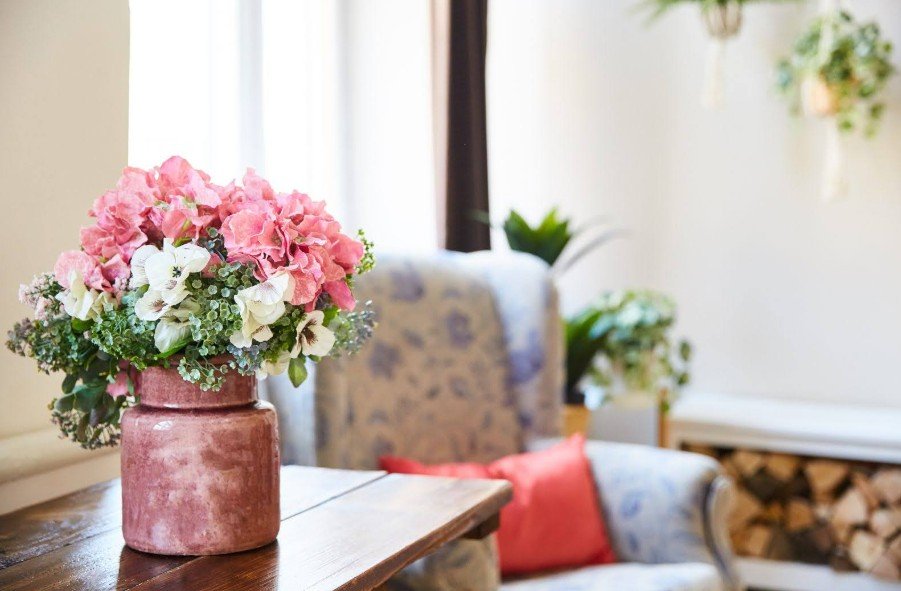
Even one small arrangement on a coffee table can completely change the energy of a room.

I noticed this especially during stressful weeks. Walking into a space with fresh flowers somehow made the house feel calmer.

Maybe that sounds dramatic, but honestly it’s true.

Start Small Instead of Decorating Every Room

This Was My Biggest Mistake Early On

One time I got overly excited after watching home decor videos and bought flowers for basically the entire house.

Bad idea.

The rooms felt cluttered, and keeping everything fresh became annoying fast.

Now I focus on:

  • One dining table arrangement
  • A small kitchen display
  • Maybe flowers near the entryway

That’s usually enough honestly.

A few intentional flower arrangements look far more elegant than flowers scattered randomly everywhere.

Mason Jars Make Great Flower Vases

Probably the Easiest Decoration Trick Ever

I spent years thinking I needed expensive decorative vases.

Turns out simple glass jars often look better.

Some of my favorite flower setups used:

  • Mason jars
  • Old juice bottles
  • Ceramic mugs
  • Small pitchers
  • Recycled glass containers

Especially for casual home decor.

Wildflowers or simple white blooms in clear jars feel cozy and natural instead of overly formal.

And honestly, slightly imperfect arrangements often look more charming.

Best Flowers for Simple Home Decoration

Some Flowers Are WAY Easier Than Others

Not all flowers behave nicely indoors.

After wasting money on delicate flowers that wilted almost immediately, I started sticking with longer-lasting options.

Flowers That Last Well Indoors

  • Carnations
  • Chrysanthemums
  • Sunflowers
  • Lilies
  • Baby’s breath
  • Roses
  • Eucalyptus greenery
  • Orchids

Eucalyptus especially became one of my favorites because even a few stems make arrangements look fuller and more expensive.

Plus it smells amazing.

Kitchen Flower Decorations

The Kitchen Became My Favorite Spot

This surprised me honestly.

I originally thought flowers belonged mostly in living rooms or dining spaces.

But adding small flowers near the kitchen sink or window made the biggest difference emotionally somehow.

Especially during mornings.

Simple kitchen flower ideas:

  • Small herb jars
  • Wildflowers in tiny bottles
  • Lemon branches
  • Lavender stems
  • Sunflowers near fruit bowls

One tiny vase beside the coffee maker somehow makes the entire kitchen feel more welcoming.

Dining Table Flower Arrangements

Keep Them Low and Simple

I learned this lesson after creating one ridiculously tall centerpiece nobody could see across the table.

Not practical at all lol.

Now I prefer:

  • Low arrangements
  • Soft greenery
  • Compact centerpieces

People need to actually talk across the table comfortably.

Simple dining table flower decor works best when it enhances the meal instead of dominating the whole room.

Artificial Flowers Aren’t as Bad as They Used to Be

Some Actually Look Pretty Real Now

Years ago fake flowers usually looked dusty and plastic.

Modern artificial flowers improved A LOT honestly.

Good faux flowers now work well in:

  • Bathrooms
  • Dark corners
  • Shelves
  • Entryways

Especially high-quality:

  • Faux eucalyptus
  • Artificial olive branches
  • Silk peonies
  • Neutral dried flowers

One guest thought my artificial eucalyptus arrangement was real for almost an entire evening.

That never used to happen with older fake flowers.

Dried Flowers Became Surprisingly Trendy

And They’re Super Easy to Maintain

Dried flower arrangements have become huge in home decor recently.

Honestly, I understand why.

They:

  • Last a long time
  • Require no watering
  • Add texture
  • Work with neutral interiors

Popular dried flower choices include:

  • Pampas grass
  • Bunny tails
  • Dried lavender
  • Preserved eucalyptus

One small dried arrangement on a shelf can last months with basically zero effort.

That’s my kind of decorating honestly.

Flower Decoration for Small Spaces

Tiny Arrangements Often Work Better

Small apartments don’t need giant bouquets.

Actually, oversized floral displays can overwhelm smaller rooms fast.

Simple ideas for compact homes:

  • Bud vases
  • Single-stem flowers
  • Hanging mini jars
  • Floating flower bowls
  • Corner shelf arrangements

One flower stem beside a candle can sometimes look more stylish than a giant bouquet honestly.

Minimalism helps.

Bathroom Flower Decorations Feel Weirdly Luxurious

This Was Unexpected

I never used to decorate bathrooms with flowers.

Then I stayed at a small guesthouse that had fresh eucalyptus in the bathroom, and the whole space felt calm and spa-like immediately.

Now I occasionally add:

  • Small white flowers
  • Lavender
  • Eucalyptus
  • Tiny succulents

Near:

  • Mirrors
  • Sinks
  • Bathtubs

It’s a tiny detail that makes bathrooms feel way less sterile.

Seasonal Flower Decorating Ideas

The House Feels Different Throughout the Year

Using seasonal flowers keeps things feeling fresh naturally.

Spring

  • Tulips
  • Daisies
  • Fresh greenery

Summer

  • Sunflowers
  • Bright roses
  • Wildflowers

Autumn

  • Dried wheat
  • Orange flowers
  • Rustic branches

Winter

  • White lilies
  • Pine branches
  • Eucalyptus

I didn’t realize seasonal decorating mattered much until I started doing it honestly. The home just feels more connected to the time of year somehow.

Don’t Overcrowd Arrangements

Less Usually Looks Better

This took me awhile to learn.

I used to cram flowers tightly together trying to make arrangements look fuller.

But flowers need space visually.

Professional-looking arrangements usually have:

  • Air between stems
  • Natural movement
  • Uneven heights
  • Simpler color palettes

One florist told me:

“Flowers should look relaxed, not trapped.”

That advice weirdly helped me a lot.

Lighting Changes Everything

Flowers Look Better With Warm Light

Natural sunlight makes flowers look beautiful obviously.

But evening lighting matters too.

Warm lamps or soft string lights around flowers create a cozy atmosphere instantly.

Cold white lighting kinda kills the softness honestly.

One small flower arrangement beside a warm table lamp looks surprisingly elegant at night.

Budget-Friendly Flower Decoration Ideas

You Really Don’t Need Expensive Bouquets

Some of the nicest arrangements I’ve made were cheap honestly.

Budget flower ideas:

  • Grocery store flowers
  • Garden cuttings
  • Green branches
  • Baby’s breath bundles
  • Mixed wildflowers

Sometimes greenery alone looks beautiful without expensive blooms.

That surprised me.

Fresh Flowers vs Artificial Flowers

Both Have Their Place

Fresh Flowers

Best for:

  • Dining tables
  • Special occasions
  • Fragrance
  • Natural beauty

Artificial Flowers

Best for:

  • Long-term decor
  • Hard-to-reach areas
  • Low-maintenance homes

Honestly, mixing both works perfectly fine.

Not every arrangement needs to be real.

My Favorite Easy Flower Decoration Trick

One Flower Type Only

Seriously.

Instead of mixing five flower types together, I often use:

  • Only white roses
  • Only tulips
  • Only eucalyptus
  • Only carnations

Single-flower arrangements usually look cleaner and more modern.

And arranging them becomes WAY easier.

Are Simple Flower Decorations Worth It?

Absolutely Honestly

Flowers make homes feel:

  • Lived in
  • Softer
  • More peaceful
  • More welcoming

And the nice thing is you don’t need huge expensive arrangements to create that feeling.

Even one tiny vase near a sunny window can completely brighten a room.

Sometimes the simplest decorating ideas really do work best.

Conclusion

Simple flower decoration at home is one of the easiest and most affordable ways to make a space feel warmer, calmer, and more welcoming. Over time, I’ve learned that beautiful flower decor does not require expensive bouquets, professional floral design skills, or perfectly styled interiors. Small arrangements, soft greenery, seasonal flowers, and even simple glass jars can completely change the atmosphere of a room.

The key is keeping things natural and uncluttered. A few thoughtful floral touches placed in the right spots — like the dining table, kitchen counter, bathroom shelf, or entryway — often create a bigger impact than oversized complicated arrangements.

Whether you prefer fresh flowers, dried stems, or realistic artificial greenery, simple flower decoration helps a home feel more personal, peaceful, and alive without requiring major effort or expensive decorating budgets.

FAQ About Simple Flower Decoration at Home

What flowers are best for home decoration?

Popular flowers for home decor include:

  • Roses
  • Carnations
  • Tulips
  • Sunflowers
  • Lilies
  • Chrysanthemums
  • Baby’s breath
  • Eucalyptus greenery

These flowers are relatively easy to style and many last well indoors.

How can I decorate my home with flowers on a budget?

Affordable flower decoration ideas include:

  • Grocery store flowers
  • Garden cuttings
  • Mason jar arrangements
  • Greenery stems
  • Dried flowers
  • Single-stem displays

Simple arrangements often look more elegant than oversized bouquets.

Are artificial flowers good for home decor?

Yes. Modern artificial flowers can look very realistic and work well in bathrooms, shelves, entryways, and low-light areas.

What rooms should I decorate with flowers?

Popular spaces for flower decoration include:

  • Living rooms
  • Dining tables
  • Kitchens
  • Entryways
  • Bathrooms
  • Bedrooms

Even small arrangements can improve a room’s atmosphere.

How do I make flower arrangements look professional?

Keep arrangements:

  • Loose and natural
  • Balanced
  • Simple
  • Not overcrowded

Using one flower type often creates a cleaner and more elegant appearance.

How long do fresh flowers last indoors?

Most fresh flowers last between 5 and 14 days depending on the flower type, water quality, and room temperature.

Are dried flowers still trendy?

Yes. Dried flower arrangements remain very popular because they are low-maintenance, long-lasting, and work beautifully with neutral home decor styles.

What is the easiest flower decoration idea?

Place a few fresh flowers or greenery stems in a simple glass jar near a window, dining table, or kitchen counter.

Do flowers improve mood at home?

Many people feel flowers help create a calmer, brighter, and more welcoming atmosphere indoors.

What lighting works best with flower decorations?

Warm natural light and soft evening lighting usually make flower arrangements look more cozy and elegant indoors.
The Timeless Appeal of a Wood Fence: A Classic Choice for Privacy and Style

Popular Types of Wood Fence

A wood fence remains one of the most popular choices for homeowners and property developers. Whether you’re aiming for enhanced privacy, added security, or simply aesthetic charm, a wood fence delivers on all fronts. In this article, we’ll explore why this traditional fencing option still stands strong today, the different styles available, maintenance tips, and how it adds value to your home.

Why Choose a Wood Fence?

The enduring popularity of the wood fence is no accident. Its timeless appeal, combined with versatility and functionality, makes it a top contender among fencing materials.

  1. Aesthetic Value

Few materials can match the natural beauty of wood. A wood fence brings warmth and character to any property, blending seamlessly with gardens, lawns, and even modern home designs. You can choose from a wide variety of wood types, including cedar, redwood, pine, and spruce—each with its unique grain, color, and charm.

  1. Customizable Styles

From picket to panel, post-and-rail to shadowbox, the wood fence offers endless style variations to match your taste. You can paint it, stain it, or let it age naturally for a rustic look. The flexibility in design makes it ideal for both residential and commercial properties.

  1. Privacy and Security

One of the primary reasons people install fences is for privacy. A wood fence can be built to virtually any height, offering a solid barrier between your home and the outside world. Whether you’re keeping pets in, prying eyes out, or both, a wood fence is a practical solution.

  1. Environmentally Friendly

Wood is a renewable resource. When sourced responsibly, a wood fence can be an environmentally conscious choice compared to synthetic or metal alternatives. Plus, wooden fences are biodegradable and have a lower carbon footprint during manufacturing.

Popular Types of Wood Fence

When it comes to selecting the right style, consider your property needs and design preferences. Here are some popular types of wood fence:

  • Picket Fence: A classic American style, ideal for front yards and gardens.
  • Privacy Fence: Tall, solid panels that block visibility and noise.
  • Shadowbox Fence: Alternating boards on either side for a neighbor-friendly, semi-private look.
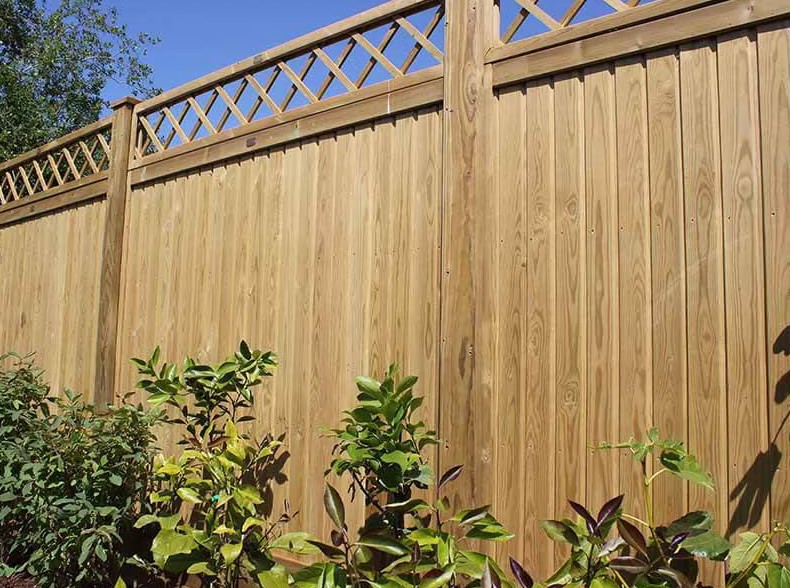
  • Lattice Fence: A decorative style that also supports climbing plants.
  • Post and Rail Fence: Often used for larger properties, especially in rural areas.

Each type serves a different purpose and offers varying levels of security and visual impact.

How to Maintain Your Wood Fence

While a wood fence is beautiful, it does require regular upkeep to ensure longevity. Here are some key maintenance tips:

  1. Seal and Stain Regularly

Applying a weatherproof sealant or stain helps protect the wood from moisture, UV rays, and pests. It’s best to do this every 2–3 years.

  1. Clean Annually

Dirt, mold, and mildew can accumulate over time. Use a mild detergent and soft-bristle brush or a pressure washer (on a low setting) to clean your wood fence once a year.

  1. Check for Damage

Inspect your fence seasonally for signs of rot, insect damage, or loose boards. Prompt repairs can prevent small issues from becoming major problems.

  1. Trim Vegetation

Keep plants, shrubs, and trees trimmed away from the wood fence. Excess moisture and overgrown foliage can accelerate decay and damage.

Cost of a Wood Fence

The cost of installing a wood fence varies depending on the type of wood, style, height, and length of the fence. On average, homeowners can expect to pay between $15 and $30 per linear foot, including materials and labor.

While initial costs may be higher than chain link or vinyl, the visual appeal and property value increase often make it a worthwhile investment.

Increasing Property Value with a Wood Fence

Installing a wood fence can enhance curb appeal and add real estate value. Buyers appreciate privacy, security, and a well-maintained landscape. A sturdy and attractive wood fence not only defines your property but also makes it more desirable to potential buyers.

Final Thoughts

A wood fence is a classic, eco-friendly, and customizable solution that continues to be a favorite among homeowners. Whether you’re looking to boost privacy, add beauty, or define property lines, a well-chosen and well-maintained wood fence delivers both function and flair.

Shedding Light on Outdoor Safety: Why Professional Lighting Services Matter

Shedding Light on Outdoor Safety: Why Professional Lighting Services Matter

Key Takeaways:

  • Understanding the critical role of outdoor lighting in ensuring safety and security at home.
  • Diving into why professional lighting design and installation are crucial for optimal security.
  • Examining the long-term benefits and cost-effectiveness of professional outdoor lighting services.
  • Highlighting the advancements in outdoor lighting technology and their safety implications.

Table of Contents:

  • Introduction to Outdoor Lighting and Safety
  • The Expertise of Professional Lighting Designers
  • The Importance of Quality Installation Services
  • Advanced Features of Modern Outdoor Lighting Systems
  • Sustainability and Efficiency in Outdoor Lighting
  • Long-Term Benefits of Professional Outdoor Lighting
  • Concluding Thoughts on Professional Lighting Services

Introduction to Outdoor Lighting and Safety

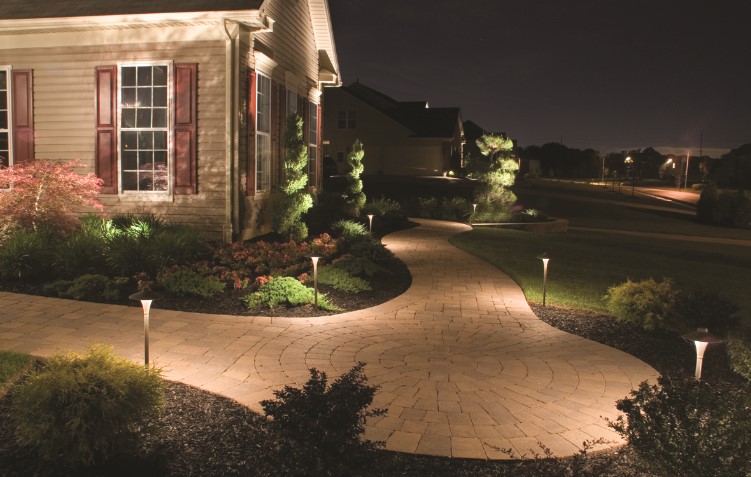
Bathed in the gentle glow of a well-lit property, homeowners can enjoy the beauty of their outdoor space while feeling safe and secure. Outdoor lighting does more than enhance the visual appeal of a home—it’s a fundamental element of home security. It’s the barrier that separates the protected warmth of the interior from the potential hazards of the night. Professional outdoor lighting Orlando provides not just fixtures and bulbs; they deliver peace of mind through thoughtful design, strategic placement, and dependable installation. The proper lighting can deter trespassers, prevent accidents, and enhance visibility, all while creating an inviting atmosphere for family and friends.

The Expertise of Professional Lighting Designers

Enlisting the expertise of professional lighting designers can be a game-changer for homeowners. They possess a wealth of knowledge on how lights complement architectural elements and the natural landscape. Their insight ensures that lighting serves both decorative and practical purposes. A well-designed lighting plan by a professional considers all factors, from the angle of illumination to the intensity and color of light to the interplay of light and shadow. It’s a balance that carefully orchestrates safety, comfort, and aesthetics, transforming your outdoor space into a cohesive extension of your home.

The Importance of Quality Installation Services

Even the best lighting design can only falter with quality installation. A lighting system’s effectiveness and longevity depend on precise installation, with careful attention to wiring, positioning, and integration with existing structures and landscapes. Professional installers understand the intricacies of ensuring that each fixture is securely mounted, adequately aimed, and connected with safety in mind. They navigate the complexities of outdoor electrical systems, avoiding potential hazards and ensuring that each light fulfills its intended purpose without fail.

Advanced Features of Modern Outdoor Lighting Systems

Modern outdoor lighting systems boast advancements far beyond traditional fixtures’ capabilities. Innovations like motion sensors, smart home integrations, and energy-efficient LED technology contribute to the effectiveness of outdoor lighting in safeguarding properties. Motion-activated lights can startle intruders and provide instant illumination for unexpected circumstances. Intelligent lighting systems offer the convenience of remote control, scheduling, and even customized lighting themes, all while integrating effortlessly with other home automation elements. Such features enhance not only security and convenience but also the adaptability of the lighting system to the homeowner’s lifestyle and needs.

Sustainability and Efficiency in Outdoor Lighting

The environmental impact and energy consumption of outdoor lighting are critical considerations for the conscientious homeowner. Professional lighting services now prioritize installing systems that reduce the ecological footprint while reducing electricity costs. LED lights, solar-powered options, and low-voltage systems exemplify the industry’s shift towards sustainability. These energy-efficient choices contribute to a greener planet and offer significant savings over time, reducing the costs associated with outdoor lighting without compromising on safety or quality.

Long-Term Benefits of Professional Outdoor Lighting

Investing in professional outdoor lighting services extends benefits well beyond the initial installation. High-quality lighting systems designed and installed by professionals require less maintenance and are less likely to encounter issues than DIY setups. With professional care, lighting systems can endure years of exposure to the elements, maintaining their functionality and appearance. Additionally, a professionally lit property often enjoys enhanced curb appeal and increased property value, making outdoor lighting a wise investment for the future.

Concluding Thoughts on Professional Lighting Services

Professional outdoor lighting services are vital for a safe, secure, visually stunning home environment. Their design, installation, and maintenance expertise can transform any outdoor space into a sanctuary of light and security. As technology evolves and homeowners become increasingly aware of the importance of outdoor lighting, the role of professional lighting services will continue to grow, casting a bright future for residential landscapes illuminated with purpose and precision.

How to Optimize Lawn Irrigation for Sustainability and Efficiency

How to Optimize Lawn Irrigation for Sustainability and Efficiency

Table of Contents

  • Key Takeaways
  • Introduction to Sustainable Lawn Irrigation
  • Choosing the Right Irrigation System
  • The Science Behind Lawn Hydration
  • Timing and Scheduling Irrigation for Maximum Benefit
  • Techniques for Improving Water Absorption
  • Managing Irrigation to Prevent Disease and Pests
  • Maintenance and Troubleshooting of Irrigation Systems
  • The Role of Native Plants in Reducing Water Usage
  • Water Conservation Laws and Incentives

Key Takeaways

  • Understanding your lawn’s true water requirements is vital to sustainable irrigation.
  • Choosing an appropriate irrigation system and scheduling wisely can dramatically reduce water usage.
  • Simple practices such as using native plants and proper soil care can lead to significant water conservation.

Introduction to Sustainable Lawn Irrigation

Managing a lush, healthy lawn involves a delicate balance between providing adequate hydration and practicing environmental stewardship. This balance becomes more critical as we face the mounting pressures of climate change and water scarcity. Integrating sustainable practices into lawn irrigation is a personal contribution to ecological preservation and a strategic measure to ensure your lawn’s enduring beauty and health.

In the quest for a vibrant lawn, it’s easy to underemphasize the need for water conservation. Yet, as environmental concerns grow, recognizing the significance of sustainability in lawn care is paramount. This piece will explore practical ways to maintain a green and healthy lawn while thoughtfully conserving water and contributing to environmental preservation.

Choosing the Right Irrigation System

Irrigation technology has evolved rapidly, presenting many options tailored to specific landscaping and water conservation goals. Traditional sprinkler systems, while popular, might only sometimes be the most efficient. Drip irrigation systems, for instance, target the plant roots directly, minimizing evaporation and runoff, and are increasingly recognized for their water-saving potential. Furthermore, integrating smart controllers can dynamically adjust watering schedules based on real-time weather data, ensuring precise irrigation that aligns with environmental conditions.

The Science Behind Lawn Hydration

Your lawn’s water requirement hinges on climate, grass species, and soil composition. Understanding these elements is crucial in applying enough water to maintain lawn health. For instance, a common misstep is overwatering, which depletes water resources and can weaken grassroots and heighten disease susceptibility. Knowledge of your specific lawn’s needs ensures that every drop of water is put to practical use.

Soil type is an often overlooked aspect of irrigation. The land beneath our feet can range from dense clay to sandy loams, each with varying water retention capabilities. This diversity necessitates tailored irrigation approaches to avoid water wastage.

Timing and Scheduling Irrigation for Maximum Benefit

Timing is another critical component of efficient irrigation. Watering during the cooler parts of the day, typically early morning or late evening, reduces the loss through evaporation and can lead to substantial water savings over time. Adapting the irrigation schedule to accommodate seasonal variations ensures that your lawn receives adequate moisture without wasteful excess. Careful attention to weather patterns, such as pausing irrigation before and after rainfall, is another step towards a responsive and responsible watering routine.

Techniques for Improving Water Absorption

Effective water absorption in the lawn depends not solely on the amount of water applied but also on how well the soil can receive and hold moisture. Practices such as aeration—creating small holes in the soil—enhance permeability, thus promoting deeper root growth and better drought resistance. Natural mulches can help maintain soil moisture levels, reduce water runoff, and add organic matter, improving the soil’s water-holding capacity.

Managing Irrigation to Prevent Disease and Pests

Lawn diseases and pest infestations can often be attributed to improper watering techniques. For example, excessive irrigation can create environments conducive to fungi and other pathogens, making avoiding overwatering a water-saving measure and a vital component of plant health. Sustainable pest control starts with intelligent watering that keeps the turf robust and less susceptible to pest colonization.

Maintenance and Troubleshooting of Irrigation Systems

Regular maintenance is key to keeping irrigation systems operating at peak efficiency. Seasonal inspections can identify leaks, clogs, or misaligned sprinkler heads. If left unchecked, these issues can result in significant water loss. For homeowners not accustomed to troubleshooting irrigation systems, seeking professional assistance may be necessary. Ensuring the system operates optimally is a step towards water conservation and maintaining a vibrant lawn.

The Role of Native Plants in Reducing Water Usage

Incorporating native plants into your lawn and garden design is a potent strategy for water conservation. Native species are adapted to the local climate and soil conditions and typically require less water and maintenance than their non-native counterparts. This biological adaptation creates a more sustainable landscape and supports local biodiversity and wildlife.

Water Conservation Laws and Incentives

Many localities are now enacting water conservation regulations, which can include restrictions on watering times and days. Homeowners may also have access to incentives that encourage the adoption of sustainable lawn care practices. For example, tax credits, rebates, and grants are available in some areas for installing water-efficient irrigation systems or landscaping with drought-resistant plants. Staying informed about these programs benefits your finances and promotes broader community engagement in water conservation efforts.

Large and plump plants are an increasing trend in home gardens

Large and plump plants are an increasing trend in home gardens

While landscapes have been relatively buttoned down for the last century or so in terms of plant dimension, gardens were not generally populated primarily by tight small mound-shaped varieties. Historically, they have tended to be extra robust affairs.

The ordinary citizen’s 18th- or 19th- century backyard garden was apt to be stuffed with vegetation of additional enough proportions, for mostly simple factors. Before the lawn mower was invented in 1830 to level off the bordering subject, gardens necessary to stand head and shoulders higher than their scythed or grazed setting. To get in touch with a plant “dwarf” in those people days was anything of an insult, implying that it in comparison poorly to its bedfellows.

Then any individual shrank the backyard. Blame it on the appreciate of lawns, diminishing lawn sizes, a need for a a lot more streamlined aesthetic or the pursuit of an unobstructed view. Regardless of the cause, there was a gradual campaign starting in the mid-20th century to downsize plant dimensions. The change was grounded in practicality. In phrases of freight economics, for instance, suppliers can match more substantial quantities of smaller plants in just about every transport van.

Now, the pattern is inching again toward greater vegetation. Although transportation concerns stay and some plant breeders nevertheless strive for smaller sized types, individuals are gravitating towards a beefier appear, and a additional casual, organic ambiance in their gardens. Larger crops are ideal candidates to display screen something most effective remaining unseen, these as your neighbor’s lose or your garbage cans. They provide as perennial basis plantings, standing tall in summer time, but opening the see outward in winter. In a modest landscape, it can take less plants of significant dimensions to make a assertion, saving gardeners dollars. In a larger sized context, modest crops are apt to be swallowed up.

The trend toward native plants and the latest motion of converting lawns into gardens and mini-meadows are also feeding into bulkier gardens. Indigenous species tend to be much more voluminous than their introduced hybrid counterparts, and gardeners want crops that will make an impression.

Battling to hold up with your back garden? Consider hiring a pro.

Hans Hansen, director of new plant enhancement at Walters Gardens, a wholesale perennial grower located in Zeeland, Mich., says that larger plants produce far more effect, specially from the drive-by point of view. “Linear vegetation give the illusion of bigger areas by drawing the eye upward, and numerous are much more fascinating,” he claims. And even larger does not have to indicate awkward or ugly many “graceful” yard favorites this kind of as delphiniums, fennel, gaura and agastache are famed for their tall stature, he added.

Steve Castorani, president of North Creek Nurseries, a wholesale supplier of landscape plugs in southeastern Pennsylvania, has also seen an improved desire for a “taller, more dynamic landscape,” primarily in naturalistic gardens or individuals serving a specific function this kind of as storm drinking water administration or lawn substitute.

For people destinations, natives these as Culver’s root (Veronicastrum virginicum), large coneflower (Rudbeckia maxima) and Joe Pye weed (Eutrochium purpureum) are brilliant. Even larger and improved cultivars of vegetation that had been downsized are also on the increase, these kinds of as a new back garden phlox (Phlox paniculata Jeana) that stands 3 to 4 toes tall and draws pollinators. Bee balms (Monarda didyma) are stretching again up with the introduction of Judith’s Extravagant Fuchsia and Purple Rooster. There are also many hefty new tickseeds (Coreopsis) readily available, like Gold Regular, Summer months Sunshine and Gilded Lace.

The movement to construct greater ornamental grasses to accompany these perennials has also gathered steam. North Creek launched Standing Ovation, a small bluestem that stands tall — 3 to 4 feet — through all 4 seasons. Golden Sunset Yellow Prairie Grass (Sorghastrum nutans) tops out at 4 to 6 feet and retains its top by the wintertime.

Shops complain that vegetation of ample proportions may possibly not “present well” in containers at the garden centre, but Angela Palmer of Plants Nouveau in Cell, Ala., has a option. She was educated as a landscape designer right before becoming an agent for plant breeders and understands why gardeners are gravitating away from plants formed like “meatballs.” She urges breeders to operate towards possibilities that will glow in containers at the yard heart, then mature to a larger stature when planted in the floor.

The Chicago Botanic Backyard garden released a phony indigo (Baptisia), for instance, that embodies this formulation. In a container, Baptisia Solar Flare kinds a loose dome of blue-eco-friendly foliage. In the ground, it sends up two-foot spires of glistening, burnished yellow blossoms earlier mentioned the dome. Equally, the cardinal flower (Lobelia cardinalis) known as Black Truffle has dark, chocolate-colored leaves lengthy before 3.5-foot fire motor purple flower spikes produce late in the time. Amsonia Blue Behemoth, a new cultivar of one more mainstay native, reaches a portly 4 ft tall and is dappled with plentiful clusters of toddler blue spring blossoms. It seems like a shrub all through summer season, then in the autumn, it blushes vivid yellow ahead of going dormant.

And gardeners are not just trying to find top plump vegetation have also received traction. Palmer pointed out a lungwort (Pulmonaria) regarded as Lisa Marie with mammoth 18-inch-prolonged speckled leaves in wide clumps topped by an abundance of flowers.

All of these striking plants give landscape designers a great deal of choices for developing drama on a grand scale. Nick Fobes, of the Chicago-based landscape architectural business Hoerr Schaudt, likes to use big plant groupings that are obvious from a length. He layers textures and forms, pairing vegetation with bodacious, large leaves with statement shrubs. Even larger may not be everyone’s choice, or it could not perform for your available room. But if you want to make a daring assertion, it’s superior to know that the elements are yet again within quick attain.

Tovah Martin is a gardener and freelance writer in Connecticut. Obtain her on the internet at tovahmartin.com.

From budget art to disco planters: 20 cheap ways to give your home and garden a boost | Homes

From budget art to disco planters: 20 cheap ways to give your home and garden a boost | Homes

Homes

1. Fake your flowers

Fresh blooms are lovely in the moment, but faux flowers last for ever. Creative director Susanne Thun keeps silk and synthetic stems in a box to bring out for different occasions or when a table needs a boost. “Only use good quality ones, though,” she warns. Everbloom London’s collection of single-stem tulips, hydrangeas and foliage are excellent quality and value.
Everbloom London hydrangea stem, £8.95

2. Upgrade the essentials

A pale green Dunelm Retro Seafoam kettle

Think about the pieces you use every day and consider an upgrade, from a powerful hairdryer or a beautiful kettle to good quality bed linen and towels.
Dunelm Retro Seafoam kettle, £45

3. Hang other things as well as pictures

Antique plate with blue and white floral design
Photograph: Alamy

Susanne Thun suggests displaying decorative quilts, rugs and even plates on walls – the more colours and textures, the better. If your plates are just for eating off, you can buy sets from curators with impeccable taste, like Sasha Wilkins.
Found by Sasha Wilkins vintage plates, from £10 each

4. Age a mirror

A round mirror with an aged gold frame from La Redoute

If your budget won’t stretch to a gorgeous antique “over-the-fireplace beauty”, try doing the ageing process yourself, says designer Amy Davies. She uses the paint stripper and bleach process outlined in the new Interior Design Masters book.
La Redoute ornate mirrors, from £80

5. Get storage smart

A simple wood and steel shelving unit

“Clutter can be the enemy of a happy and restful home, but clearing it away and getting organised doesn’t have to be expensive,” says Nash. One way to avoid clutter chaos is to get things off the floor. String shelving is ideal for propping up frames, books, even loo rolls – plus, a happy home is one that can be hoovered easily, too.
Sklum wood and steel shelf, £39.95

6. Paint your vintage furniture

A tall wooden chest of drawers painted with Green diamonds, from Vinterior’s collaboration with Farrow & Ball

Give your pre-owned pieces a new lease of life with a lick of paint. If time and money are short, just add a pop of green or hot pink into the grooves of a wooden desk, or paint the drawers of an old tallboy. Find more ideas from vintage marketplace Vinterior’s collaboration with Farrow & Ball.

7. Scentscape your home

Two rectangular white wax tablets with oranges and herbs embedded in them, strung with yellow ribbons

Just when you were getting used to tablescaping, along comes scentscaping – “using scent to divide different rooms or areas of the house, or to zone different time periods in your mind”, explains Jen Nash, design excellence manager at Magnet. Infused wax tablets are often cheaper than scented candles and can be placed or hung in wardrobes, on walls or in bathrooms.
Santa Maria Novella wax tablets, £26 for two

8. Deck your walls

A print of an espresso martini in a glass, with a vase of red flowers and some coffee beans

Original artwork no longer costs as much as a house deposit thanks to websites like Narchie, where you can find independent artists and illustrators all over the UK, and Glassette, which runs a regular Art Kiosk pop-up shop. Framed cartoons, recipes, still lifes and tourism posters (try transport and tourism posters too) work everywhere from the kitchen to the loo.
Rose England London print, £40

9. Get the glow

A pink neon tube light

Changing the lighting can have a big impact on our mood and how a space feels. One easy way to do it is with a portable light. Hay’s LED neon tube light, which comes in multiple colours, can be moved easily from room to room. Or switch lampshades to make a room brighter or cosier.
Hay LED neon tube light, £65

10. Turn an Ikea cabinet into a designer piece

Ikea Method cabinet

Introducing a statement piece of furniture doesn’t need to cost a fortune. JJ Martin, founder of fashion brand La Double J, had an Ikea kitchen cabinet mounted on a wall in her apartment and sourced a piece of Murano glass to sit on top. The result looks like something from Architectural Digest rather than the Scandi flat-pack favourite.
Ikea Metod wall cabinet, £132

Gardens

A brass watering can, a Grecian-bust plant pot and a disco-ball hanging basket

1. Go bling
Don’t forget your garden when it comes to a glamorous glow-up. The high street is great for pieces with the wow factor. From Grecian-bust plant pots and brass watering cans to disco-ball hanging pots, the shine of something unusual or a little bit bling rubs off on everything around it.
Anthropologie Gianna Grecian Bust Pot, £56; Graham & Green brass watering can, £54, grahamandgreen.co.uk; Etsy disco ball hanging flower pot, from £24, etsy.com

2. Bring your holiday colour home

A pot of Lick terracotta paint

“When painting, draw inspiration from your favourite destination for your colour palette,” says Davies, who conjured a Mediterranean escape with her own warm terracotta wall. “The cobalt blue of Greek island rooftops, or a palate-cleansing lemon reminding you of your sunny Sicilian days, also works well.”
Lick environmentally friendly deep terracotta paint, £45 for 2.5l

3. Reclaim your yard

Scaffolding boards
Photograph: Getty Images/iStockphoto

“Reclamation yards can be intimidating, but they can be a magnificent place to pick up salvaged and upcycled garden materials,” says interior designer Amy Davies. She recommends choosing scaffolding boards and sanding them down to create a garden table or shelving. “All sorts of furniture, from bathtubs to sculptures or even telephone boxes, can be repurposed in your garden.”

4. Level up

Dandelion solar lights against a dark sky

“A change in level, however small, makes a big difference to your garden,” says garden designer Bettina Sytner – and it needn’t cost the earth. She advises creating a “step” in the lawn using a broad wooden support (“10cm is sufficient to make a visual difference”) and building up the ground behind it using a bag of compost to gradually join it with existing lawn. Finish by planting with seeds or decorating with solar lights.
Graham & Green dandelion solar lights, £29.95

5. Make keepsake scarecrows

A keepsake scarecrow made of a pebble hung on a piece of string
Photograph: Getty Images

Architect Claudia del Colle collects driftwood, pebbles and other seaside finds, binds them in ribbon and hangs them off the walls of her terrace. Not only do you know they are weather-proof, but they’ll act as modern-day scarecrows for balconies and gardens.

6. Be a master of disguise

A green-and-white Habitat throw

Don’t get rid of your outdoor chairs if they have plenty of life in them but your taste has changed. Drape matching blankets over them to achieve a uniform effect (these can double up as throws to keep shoulders and knees warm when the temperature drops). If a matching set of six exceeds your budget, buy a roll of fabric from your local haberdashery or fabric supplier for a fraction of the price, and cut to size and quantity at home.
Habitat floral pattern throw, £18

7. Step on it

A Beija Flor vinyl rug with a pink and green floral pattern on a black background

Bring some colour to a small balcony or patio with an outdoor rug. Wallpaper house Divine Savages recently collaborated with Beija Flor on a collection of phthalate-free, recyclable vinyl rugs printed with bold blooms.
Bloomin’ Marvellous Vinyl Rug, from £60

8. Raise your game

A dark green ceramic wall pot

If floor space is at a minimum, bring your plants and herbs to eye level. Wall pots also make a blank wall more interesting – go for small to medium-sized pots so they don’t get too heavy. Ladders can also create multiple levels and give a sense of space and height.
Woodlodge wall pot, £22.99

9. Create a kids’ corner

A strawberry grow bag

“Creating an area where children can have little tools and grow flowers, berries and salads is very joyful and healthy,” says Sytner. String a sail from a wall (or use camping pegs and poles in the grass) to protect your chosen patch from rain and rays, and fill it with grow bags which are easy on space and almost certain to reap rewards. Strawberries, tomatoes and rocket are all safe bets.
Lidl strawberry grow bag, £4.99 for two

10. Get matchy matchy for less

An H&M yellow-and-white striped rug

If the budget won’t stretch to outdoor cushions, take a leaf out of creative director and Collagerie co-founder Lucinda Chambers’ book and pick up inexpensive hessian rugs in different patterns and – depending on your craft skills – sew or staple them into shape. Leave a couple as rugs and you have an expensive-looking set.
H&M Home striped cotton rug, £17.99