Freeze damage necessitates selective pruning | Tony Tomeo | Home & Garden

Freeze damage necessitates selective pruning | Tony Tomeo | Home & Garden

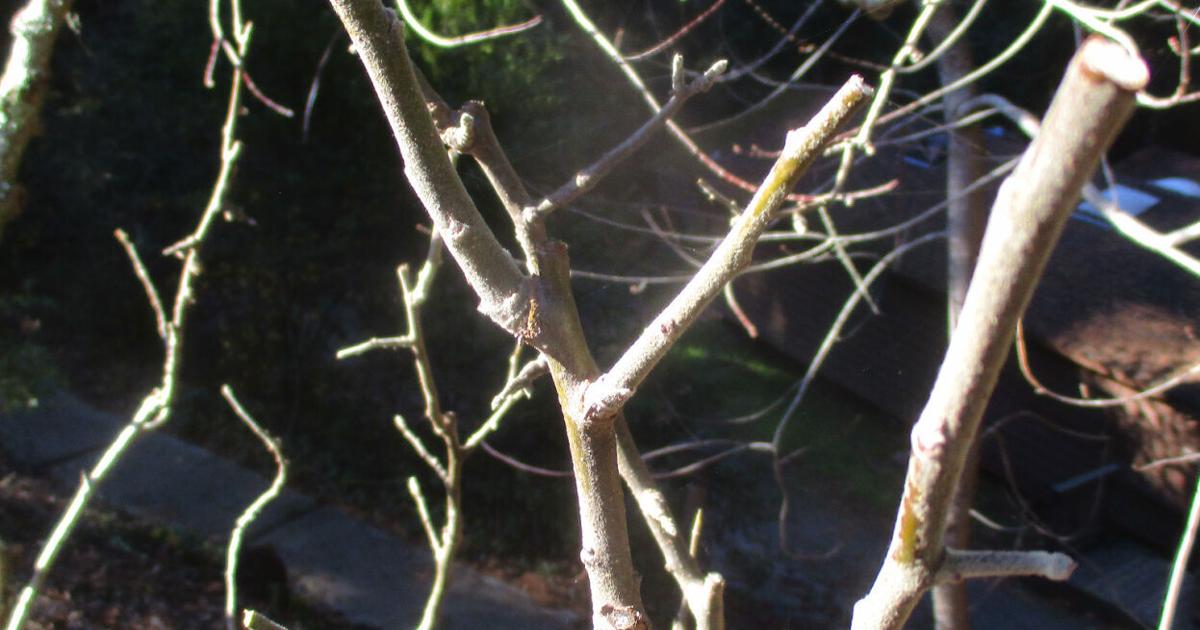
Pruning at the appropriate time has been a concern all wintertime. Dormant pruning was timely as soon as defoliation began. It continues to be timely almost right up until bloom.

Pollarding and coppicing are frequently despite the fact that unnecessarily a bit later on within that assortment. Spring pruning commences shortly soon after bloom. Pruning of freeze harm begins following the last realistic menace of frost.

Frost is as variable as the lots of climates below. Generally, it will cause a lot more hurt farther inland and at bigger elevations. Conversely and typically, it triggers considerably less destruction closer to the coastline and at lessen elevations.

Numerous southern coastal climates experience no frost. However, frigid air drains downhill. In just any plateau, the frostiest spots are the cheapest.

Very last frost dates really should enable with scheduling of pruning or grooming of freeze problems to vulnerable vegetation. The past frost day for a local climate is the regular date of its last frost.

Frost gets to be increasingly not likely afterward. That is the best time to insert heat year vegetables and annuals to the garden. It is also when to get started grooming freeze injury.

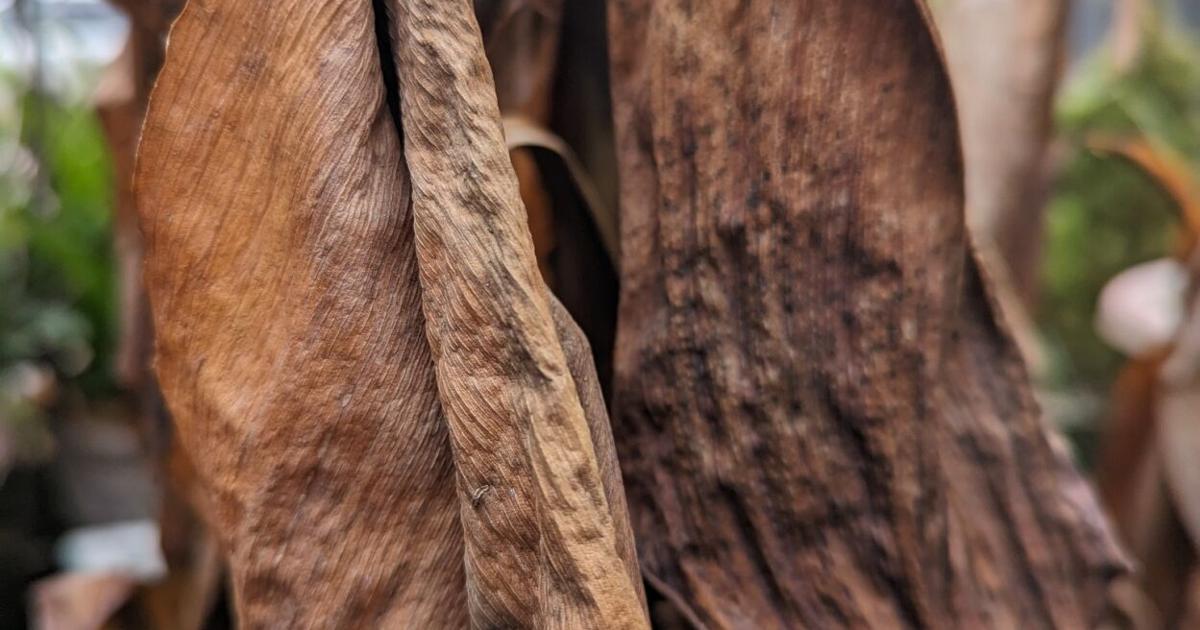
If not far too ugly, freeze damage lingers till the past frost day for two primary reasons. It shelters vulnerable tissue beneath, like any new advancement that develops prematurely. Also, elimination of these kinds of destruction stimulates new progress that would be even additional uncovered and innately extra vulnerable to frost.

Nevertheless, priorities alter soon right after the last frost.

Then, it turns into significant to groom or prune away freeze injury prior to era of new new expansion. For milder climates, it is already timely to do so. It may possibly be a when for considerably less mild climates. Even for frostless climates, this may well be a superior time to groom progress that is only by the way shabby.

These types of grooming gets extra complicated with new growth.

Lots of zonal geraniums are by now extending new growth up as a result of shabby old growth. Elimination of these types of old development or freeze hurt with no harmful mingling new development is no uncomplicated process. If new development stretches for daylight underneath aged development, it may possibly flop with no support from the outdated expansion.

It might be extra functional to slash all progress back to regenerate. Canna also establish comparable complications.

Jade plant

Wandering Jew, spider plant, a variety of philodendron and jade plant have been among the most well-known houseplants of the 1970s. They are as straightforward to propagate as they are to grow, so ended up common items for close friends and neighbors.

Jade plant, Crassula ovata, normally grew as well huge to stay inside of without the need of pruning. It fortunately grows superior than the other individuals outdoors.

Jade plant does not develop rapidly, but can sooner or later get a lot more than 6 toes tall, with densely rounded sort. The succulent stems of such massive specimens get really plump, but continue being alternatively fragile.

The paired evergreen leaves are thickly succulent, and generally a little bit lengthier than two inches. Clusters of tiny pale pink or white bouquets are not specifically amazing.

At the very least a single cultivar is variegated with irregular white stripes. Another is fairly ruddy with reasonably compact progress. Other people show tubular or curly leaves. Foliage can fade or create slender crimson edges in reaction to severe exposure or heat.

It is also inclined to frost destruction. Jade plant is mildly toxic, but also perhaps attractive to canines who chew.
Coppice to renovate overgrown shrubbery | Tony Tomeo | Home & Garden

Coppice to renovate overgrown shrubbery | Tony Tomeo | Home & Garden

Pollarding is extraordinary pruning. It gets rid of all but the most substantial of limbs and trunks. Coppicing is even additional extreme. It leaves only stumps above floor. Each are widespread and highly regarded arboricultural procedures exterior The united states.

On the other hand, they are vilified in this article. In fact, very several arborists right here know how to pollard and coppice correctly, or acknowledge to it.

There are lots of valid reasons to pollard or coppice trees or large shrubs. Both equally methods promote vigorous growth. Lush foliage of these expansion is valuable as fodder, specifically for silkworms. Elongated stems of this sort of growth are useful for basketry and kindling.

Species that bloom on older stems can not create pollen or messy fruit soon after yearly methods.

Even though silkworms, basketry and these kinds of are unimportant in just an normal house backyard, proper pollarding or coppicing improves vigor. This enhances the bloom of species that bloom on new stems. Vigorous expansion of pollarded crape myrtle is atypically resistant to mildew, and also blooms zealously.

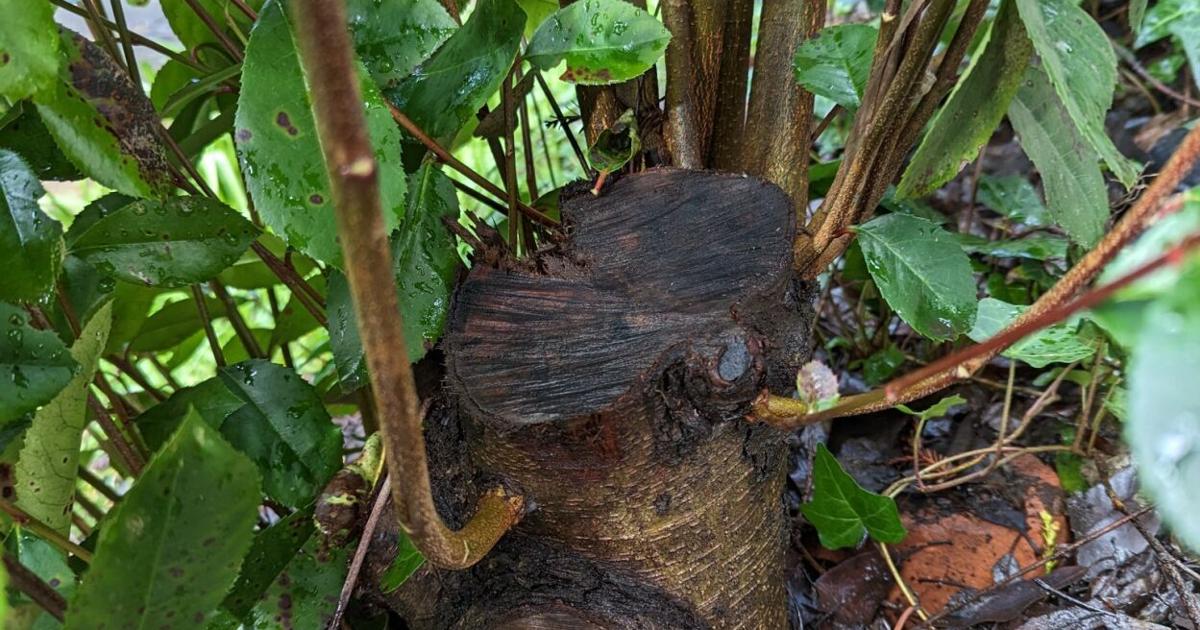
Coppice pruning eradicates unattractive thicket progress.

Pollarding is commonly valuable for trees and significant shrubs that keep primary trunks. Only a handful of of the several species that inhabit house gardens are conducive to it. Considering that secondary development is to begin with structurally deficient, it will most possible have to have subsequent pruning through subsequent winters.

Some vigorous pollarded trees are dependent on annual pollarding.

Coppicing is normally useful for significant and vigorous shrubbery, and potentially a couple of types of trees. Coppiced shrubbery is not as reliant on subsequent pruning as pollarded trees.

They possibly advantage from pruning as they develop anyway, or do not get also major to support their fat. Both of those coppice and pollard pruning can materialize only for the duration of winter season dormancy.

Realistically, the the greater part of crops in residence gardens are conducive to neither coppice nor pollard pruning. Cypress hedges die if minimize back again to stumps. Grafted vegetation, even if pruned earlier mentioned their graft unions, are probably to regenerate from their understock.

Nevertheless, some of the most well-known hedge crops, such as privet, holly, photinia, osmanthus, English laurel and bottlebrush regenerate splendidly.

Sweet olive

It may not seem to be like significantly to choose discover of. Sweet olive, Osmanthus fragrans, resembles glossy privet, but is neither as shiny nor fairly as richly environmentally friendly.

The dense and evergreen foliage can operate about as very well for a formal hedge while. It is even better as a little and billowy tree. It receives at minimum as large as ground ground eaves, and can access upstairs eaves.

The principal allure of sweet olive is its delightfully pervasive and fruity floral fragrance.

Its compact and slender clusters of little pale white, yellow or gold bouquets are primarily obscured by foliage. For those who are unfamiliar with it, the fragrance could be hard to discover. Bloom is most abundant prior to and soon after summer season. Sporadic bloom transpires at any time.

Because sweet olive is additional olfactorily captivating than visually appealing, it functions pretty nicely as in informal hedge guiding prettier vegetation. It can keep slender concerning home windows of neighboring households that are a bit too close with each other.

If more than enough bouquets are available, they may well taste tea and confectionery. A cultivar with variegated foliage is unfortunately unusual.

Citrus fruit brightens wintry gardens | Tony Tomeo | Home & Garden

Citrus fruit brightens wintry gardens | Tony Tomeo | Home & Garden

Chilled lemonade definitely is awesome when the weather conditions will get warm through summer season. Orange juice also appears to be to be additional appropriate to warm temperature.

In fact, most citrus fruit appears to be to be additional summery than wintery. Nonetheless, most of it ripens through winter.

Mandarin oranges are extra perishable than most other citrus fruit, so are greatest long right before hotter weather conditions.

Citrus trees are defiantly contrary to the deciduous fruit trees that generate fruits of spring and summertime. Not only does their fruit ripen all through reverse seasons, but they also favor pruning for the duration of opposite seasons.

Several have to have no pruning or only insignificant grooming as they age. Any essential pruning need to occur right after the previous amazing or frosty climate of winter season.

Citrus fruit is not as perishable as spring and summer months fruit are. Mandarin oranges oxidize inside of a thirty day period or so only due to the fact their rind is so free. Other citrus fruit continues to be fresh in the garden for months, even as a result of heat weather conditions.

Some essentially increases with a bit of getting older. For fruit that lingers late, vermin are extra very likely to be a difficulty than deterioration.

Slow deterioration is a big advantage for these kinds of considerable citrus fruit. There is much less hurry to obtain far more immediately after amassing way too much. For more sporadic output, a lot of cultivars of citrus bloom sporadically prior to and right after their most important year.

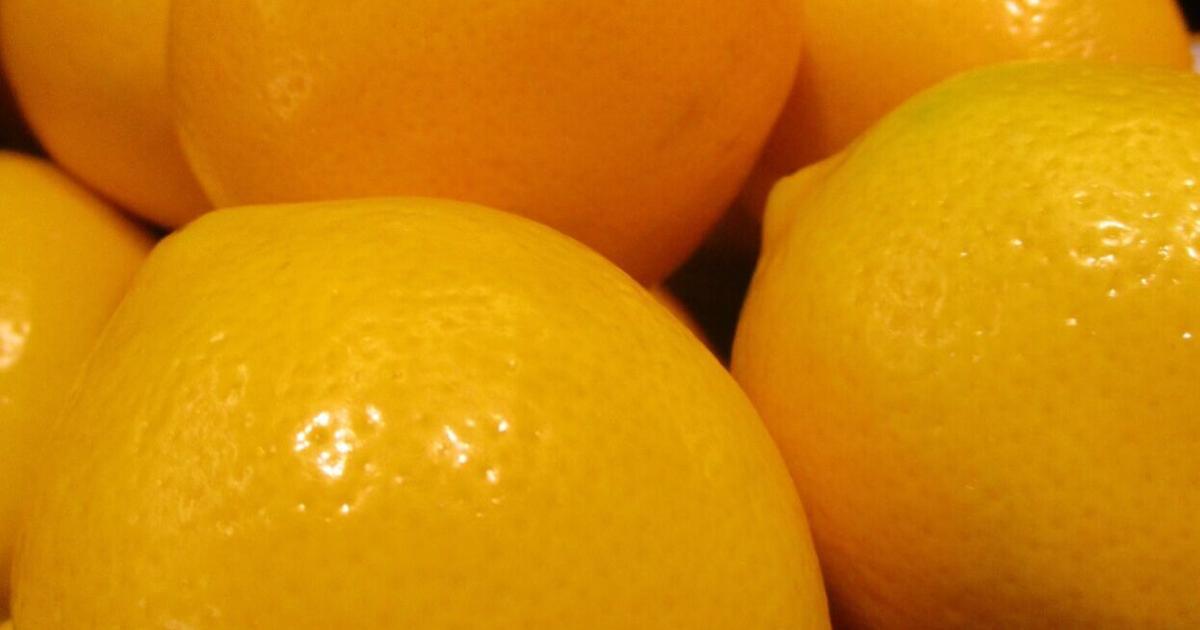
“Eureka” lemon is not as well overwhelmingly effective in year, but right before and immediately after, supplies a few a lot more lemons.

Citrus fruit is remarkably numerous. Lots of are very best only for fresh new consuming. Numerous are superior for juicing. Some are finest for other culinary applications. Mandarin oranges and oranges are mainly sweet. Lemons and limes are mainly bitter. Grapefruits are fundamentally bitter.

Citrus fruit displays a prevalence inside combos of these 3 essential taste aspects.

Citrus trees are as variable as the citrus fruit that they present. Practically all are dwarf trees, which stay much more compact than conventional orchard trees. Nevertheless, “Eureka” lemon, “Marsh” grapefruit and “Sanguinelli” blood orange can eventually get as big as little shade trees.

“Meyer” lemon, kumquats and most Mandarin oranges continue to be much lessen and shrubbier. Some are thornier than others.

Mandarin orange

Mandarin orange, Citrus reticulata, and nuts are some of the extra classic goodies for Xmas stockings. In northern Europe centuries back, nuts from the Americas ended up continue to exotic treats. The availability of perishable citrus fruits from Mediterranean areas relied on expensively productive shipping.

For that reason, citrus fruits ended up virtually like delicacies. Even when shipping was sluggish, Mandarin oranges ripened in time to get there by Xmas. Even so, they needed quick delivery mainly because they are extra perishable than other citrus.

They are innately much more prone to oxidation because their rind and segments suit so loosely alongside one another. Of study course, that is why they are so delightfully simple to peel, pull aside and share.

Mandarin oranges are smaller sized, extra oblate, brighter orange, but also far more variable than common sweet oranges. Amid their numerous cultivars, their smaller sized leaves and thorniness are likewise variable. Really few really outdated trees mature taller than 15 toes.

Tangerines are simply hardly genetically distinctive Mandarin oranges that made within the Americas.

Tony Tomeo can be contacted at tonytomeo.com .

Caption for 30104: Mandarin oranges are the earliest citrus.

Caption for 30104thumb: 

Summary: 

Tags: citrus fruit, citrus, fruit, fruit trees, wintertime

Dormant pruning enhances fruit production | Tony Tomeo | Home & Garden

Dormant pruning enhances fruit production | Tony Tomeo | Home & Garden

Introducing new fruit trees to a yard is fairly uncomplicated. Protecting them adequately as they experienced is far more of a problem.

Generations of extensive breeding to enrich output of this kind of trees has also increased their reliance on horticultural intervention.

Most deciduous fruit trees consequently require specialized dormant pruning for the duration of their wintertime dormancy. With no enough dormant pruning, most deciduous fruit trees are not able to assist their unnaturally significant and unnaturally abundant fruit.

Dormant pruning essentially boosts the dimension and excellent of fruit. Having said that, it also restrictions the weight of excessiveness, and confines it to sturdier branch composition. It concentrates resources into less fruit of exceptional high-quality.

Dormant pruning, or wintertime pruning, likewise concentrates methods into far more docile but much healthier vegetative advancement. It removes or at the very least diminishes the 4 Ds, which are dead, diseased, damaged and disfigured expansion.

Confinement of probably rampant stems not only increases structural integrity, but also boundaries wasteful production of unreachable fruit.

Nearly all deciduous fruit trees, and most nut trees, require specialised dormant pruning. So do grapevines, kiwi vines, berry canes and roses.

Evergreen fruit trees, these as citrus and avocados, are exempt for now though, considering the fact that these pruning encourages new expansion that is susceptible to frost. Most of these trees do not involve these kinds of aggressive pruning anyway.

Almonds, apricots, cherries, nectarines, peaches, plums, prunes and all their hybrids are stone fruits of the genus Prunus. Almonds are really seeds, or stones, of leathery fruits that are just hulls. Several stone fruits have to have several levels of very similar pruning.

Weighty peaches need to have intense pruning. Light-weight cherries might have to have only small trimming, or no pruning at all.

Apples, pears and quinces are pomme fruits that, like stone fruits, have to have numerous levels of similar pruning that conforms to their distinctive characteristics. Persimmons, mulberries, pomegranates and figs just about every require precise forms of pruning as effectively.

Familiarity with every of the dormant pruning techniques that each and every fruit tree in the backyard necessitates is crucial.

Cherry

Cherry, Prunus avium, is 1 of the much more preferred fruits of summertime. Even so, wintertime is the year for planting new trees and pruning mature trees.

Pruning is equivalent to that of other stone fruits, but to a lesser diploma. Their sweet fruits are usually a lot less than an inch and a 50 percent broad, so are rather light-weight. Docile trees may perhaps not will need annual pruning.

Home yard trees with dwarfing rootstocks need to expand no taller than about 15 feet. Some stay considerably less than 10 feet tall. Orchard trees with regular rootstock mature considerably taller.

Wild or feral trees can develop 40 ft tall, with their fruit further than access. Outdated cultivars generally involve a further compatible cultivar for pollination. Some contemporary cultivars do not.

Cherry fruits are primarily prosperous deep red, but can be darkish blackish pink or pale orangish pink. Early spring bloom is quick but profuse and splendidly apparent white. 3 to four inch long leaves that are deep inexperienced via summer months turn into vivid yellow or golden yellow prior to defoliation during autumn.

Even the silvery younger bark of some cultivars is interesting.